







|
Частные школы в Казахстане запрещают смартфоны
|
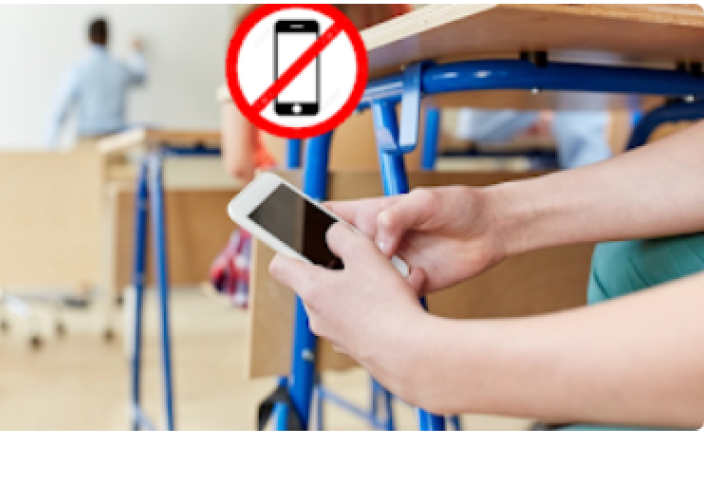
Ведущие образовательные сети Казахстана, такие как «Білім-Инновация» (БИЛ), Назарбаев Интеллектуальные школы (НИШ) и большинство частных школ уже ввели ограничения на использование смартфонов во время уроков. Это следует из заявления депутата мажилиса Асхата Аймагамбетова, который активно продвигает такие меры.
По его словам, норма была принята в прошлом году, а теперь она помогает бороться с отвлечениями и зависимостью детей. Аймагамбетов отметил, что тема запрета смартфонов «буквально преследует». Он недавно прочитал в The Times о планах британской инспекции по образованию ввести полный бан.
«Аргументы звучат знакомо: смартфоны отвлекают, мешают развитию критического мышления, снижают качество общения детей с родителями и между собой, усиливают зависимость и риски для психического здоровья и т. д.», — пояснил Аймагамбетов.
В Казахстане закон дал министерству просвещения широкие полномочия в этой сфере. Теперь оно может гибко утверждать правила для школ.
Смартфоны: как немецкие школы добиваются запрета
После летних каникул в Германии возобновились занятия в школах, и в социальных сетях разворачиваются жаркие споры о том, как обращаться со смартфонами в классе.
В свой первый учебный день после летних каникул Клара Птак чуть не забыла свой телефон дома — возможно, самый явный признак того, что ученица средней школы Далтон в Альсдорфе, Северный Рейн-Вестфалия, адаптировалась к школьной жизни без телефона. В конце апреля ее школа ввела строгий запрет на использование мобильных телефонов для всех классов.
Клара, которой сейчас 17 лет, рассказала DW: "Я больше не могу просто смотреть на свой телефон или быстро отправить сообщение во время перерыва. Поначалу многие студенты спрашивали, в чем смысл. Но со временем многие пришли к пониманию, что это не так уж и плохо, и что на самом деле у этого есть довольно много преимуществ».
Однако мнения разделились: «Учителя в основном выступают за это; младшие ученики принимают это; Но старшие не совсем счастливы».

Средняя школа Далтон является одной из многих школ в Германии, которые больше не хотят просто стоять в стороне и наблюдать за чрезмерным использованием телефона своими учениками. После пасхальных каникул была запущена пилотная программа под названием «Smart ohne Phone» («Умный без телефона»). С самого начала программы студенты должны были держать свои телефоны в сумках в течение всего учебного дня. Если ученика поймают за использованием телефона, он конфискуется, и его родители могут забрать его только на следующий день из школьного офиса.
«В общей сложности был изъят 51 телефон — это довольно значительное число, учитывая, что у нас 700 учеников», — говорит Птак. «И вы действительно можете увидеть разницу, особенно у детей младшего возраста. Раньше они стояли в кругу, уставившись в экраны, а теперь вместе играют в футбол, бадминтон или настольные игры. Это драматический сдвиг».
Нет общенациональных правил для смартфонов
В Германии все чаще разгораются дебаты о том, как школы должны справляться с использованием смартфонов учащимися, особенно в отсутствие общенациональной политики. Следует ли полностью запретить телефоны или преподаватели должны доверять студентам в их ответственном использовании?
The German National Academy of Sciences Leopoldina has proposed banning phones up to grade ten, and recommends keeping children under 13 away from the internet and social media altogether. Meanwhile, Hendrik Streeck, the federal commissioner for addiction and drug issues, supports age-based restrictions for social media — however, he opposes a blanket phone ban in schools.
The National Student Conference has also voiced opposition to a blanket smartphone ban. Instead, it advocates for actively promoting media literacy in schools, arguing that students should be equipped to navigate digital spaces responsibly rather than excluded from them.
And what about parents? Many are grappling with the smartphone dilemma. A survey commissioned by the Körber Foundation, and conducted by pollster Forsa, found that parents of children aged 12 to 18 cite their children's media consumption as their leading source of stress.
Martin Wüller, the Principal of Dalton High School, is one of the driving forces behind the smartphone ban and also the school's digital transformation. The school now provides tablets to all students from grade seven onward. Wüller welcomes the positive outcomes of the phone ban, which are backed by a thorough evaluation carried out with the involvement of students, parents, and teachers.
The survey showed that 90% of teachers support the ban — they observed noticeably improved social behavior and greater focus among students, especially the younger ones. Most lower-grade students (up to around age 13) also viewed the ban positively, while older students aged 16 to 19 reacted skeptically. Meanwhile, 85% of parents were in favor of the ban, saying their children became more independent and more communicative, even at home.
Пятиклассники отказываются от соцсетей
About 100 kilometers further east, in Solingen, a unique project is going even further. Starting on the first day of school, all fifth-grade classes began a complete break from social media. Students aged ten and eleven have committed to staying off Instagram, Snapchat, and TikTok — even at home. The initiative originated with Burkhard Brörken, a former school principal who now serves as education officer in Dusseldorf's district government.
"Solingen is a special case. We managed to get the principals of all 13 secondary schools on board very quickly. Even special needs schools are taking part in the project," Bröken told DW, adding: "We've created a unique educational partnership between schools, parents, and children."
A written declaration of intent was signed by all involved, affirming their commitment to collaborate on the project for one year. However, Brörken emphasizes that the agreement is not legally binding, which is important to him. He stresses that it is a voluntary initiative designed to support families — not to dictate parenting choices.
"Many parents recognize the severity of problematic usage habits, and some question why the initiative hadn't been introduced earlier," he said. "It's entirely understandable when children say, 'You're isolating me — I'm the only one without a phone, and all my friends have one.' Addressing that kind of pressure requires a coordinated community response; it's not something parents can realistically tackle alone."
Родители хотят руководства
Alev Kanowski is no stranger to such problems. Her daughter was one of the last in her class to get a phone at age nine. Kanowski told DW that many students get a smartphone when they are still in primary school, and peer pressure is intense. Not having a phone can place a child on the margins of their peer group.
Kanovski's daughter, now a fifth grader in Solingen, was initially reluctant about the social media ban. "She didn't come around until we explained how much phones distract kids in everyday life," Kanowski explained. She said she would like more education and guidance on the issue. "As a parent, I sometimes felt overwhelmed by the pressure to decide when she should get a phone or start using social media. Programs like this should be more widely available — they give kids a chance to grow up without constant digital distractions."
The new social media break initiative will be assessed in the coming months. Supporting its rollout are 50 trained 'media scouts' in schools — students aged 12 to 14 who, being close in age to the fifth graders, are well-positioned to understand their concerns. These scouts play a key role in helping younger students navigate online risks and adopt healthier digital habits. Burkhard Brörken hopes the project will have a positive resonance. He believes today's children are facing more challenges than previous generations.
"Schools are now seeing significantly more children and adolescents struggling with depression and anxiety — an issue that was far less visible a decade ago. Today, it's a reality in virtually every school. The COVID-19 pandemic intensified the crisis and accelerated a trend that was already well underway."
Эта статья изначально была написана на немецком языке.
Пока вы здесь: Каждый вторник редакторы DW подводят итоги того, что происходит в немецкой политике и обществе. Вы можете подписаться здесь на еженедельную рассылку новостей по электронной почте Berlin Briefing.
Author: Oliver Pieper