





|
Африка смотрит на Китай как на «выгодного партнера», в то время как США вводят тарифы, помощь и сокращают визовый режим
|
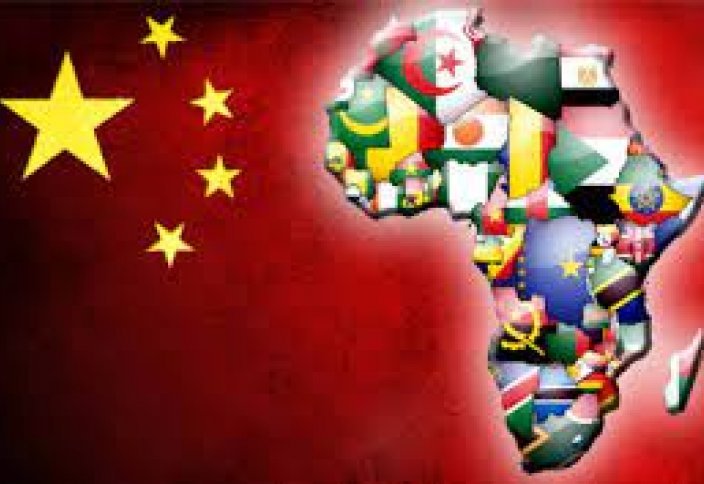
Африка благоволит Китаю, поскольку отношения с США ухудшаются из-за тревожной модели, которая «наносит вред, но ожидает лояльности», говорят аналитики
По мнению аналитиков, Соединенные Штаты уступают Китаю позиции в борьбе за влияние в Африке, поскольку экспансивная торговая политика и экономическое взаимодействие Пекина опережают все более ограничительный подход Вашингтона.
Оценка была проведена после того, как в прошлом месяце Китай объявил, что расширит беспошлинный доступ для всех налогооблагаемых товаров для 53 африканских стран, с которыми у него есть дипломатические отношения, то есть для всей Африки, кроме Эсватини. Этот шаг Пекина резко контрастирует с введением Вашингтоном торговых тарифов, сокращением помощи и ограничительными визовыми мерами.
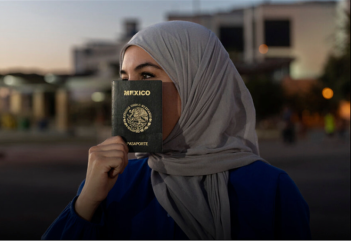
Америка пригрозила сократить иностранную помощь, закрыв USAID, и ввела визовые ограничения в отношении таких стран, как Камерун, Эфиопия, Гана, Нигерия и Сомали. С 1 августа США также планируют ввести более высокие взаимные тарифы на импорт из таких стран, как Алжир, Ливия, Южная Африка и Тунис.
У вас есть вопросы о самых актуальных темах и тенденциях со всего мира? Получите ответы на эти вопросы с помощью SCMP Knowledge, нашей новой платформы тщательно подобранного контента с объяснениями, часто задаваемыми вопросами, анализами и инфографикой, предоставленной нашей отмеченной наградами командой.
Наблюдатели говорят, что беспошлинный план стал крупной победой для Китая. Этот шаг, вероятно, еще больше расположит Пекин к африканским странам, которые все чаще рассматривают Китай как более надежного и выгодного партнера.
Кэмерон Хадсон, бывший американский чиновник и старший научный сотрудник программы «Африка» в Центре стратегических и международных исследований в Вашингтоне, сказал, что более тревожным является то, что Вашингтон долгое время считал, что его помощь и гуманитарная помощь Африке купят ему добрую волю, чтобы иметь возможность проводить любую политику, которую он захочет, независимо от последствий.
Но это было не так долгое время, отметил он.
«Вашингтон в значительной степени проиграл пропагандистскую битву с Пекином в Африке и не смог адекватно объяснить себя поколениям африканцев», — сказал Хадсон.
По его словам, недавние действия Трампа в отношении тарифов, иммиграции и помощи могут быть болезненными, «но африканцы не против перезагрузки отношений с Вашингтоном».
"They would prefer Washington play a neutral role than one that both inflicts harm and expects loyalty."
In contrast, Beijing has been consistent in its commitment to Africa.

"Even when Beijing is advancing its political or economic ambitions in Africa, it has done so with its messaging so as to portray its efforts as mutually beneficial," Hudson added.
At last month's US-Africa Business Summit in Luanda, Angola, the American delegation championed a shift from aid to trade via its commercial diplomacy strategy. However, African governments - through the chair of the African Union Commission - voiced "grave concerns".
These centred on proposed reciprocal tariffs and impending US visa bans, measures that have since led to reduced non-immigrant visa validity for several African nations, according to the Africa programme at the Carnegie Endowment for International Peace.
"It is therefore not surprising that China now ranks higher than the US in African public opinion," said Zainab Usman, director of the Carnegie Africa programme.
Citing Afrobarometer data about economic and political influence, the Washington-based think tank said 60 per cent of Africans viewed China's influence positively, compared to 53 per cent for the US and 49 per cent for the European Union.
The Carnegie Africa programme also noted that these perceptions had shifted since 2020, with ratings rising by one percentage point for China versus a five-point drop for the US.
However, the Carnegie Africa chart also showed that both China and the US saw an increase in negative perception during the same period, with China recording a three-point rise, from 15 per cent in 2020 to 18 per cent in 2025, driven mostly by debt concerns.
Meanwhile, the US experienced a seven-point jump in negative perception, from 13 per cent in 2020 to 20 per cent this year, fuelled by perceived meddling in domestic affairs.
Hudson said that Africans viewed the US, regardless of whether it was governed by Democrats or Republicans, as largely disinterested, unreliable and highly demanding.
"Washington has a tendency to see itself and its motivations in Africa as entirely altruistic and beneficial to the continent, but rarely does it reflect on how it comes across, or the unintended consequences of its actions."
Hudson explained that some of the most bothersome aspects for Africans were those Washington had seemingly failed to even recognise. For instance, US control of international financial institutions and global bodies such as the United Nations to advance Washington's priorities had routinely hurt African economies and the people, he said.
X.N. Iraki, an associate professor in business and management sciences at the University of Nairobi in Kenya, said China's appeal was driven by visibility. He explained that China had numerous visible projects in Africa such as roads, highways, ports and buildings, which made its influence easy for citizens to see and "feel".
"Western influence is more soft-democracy; rule of law, education and health. These are felt at an individual level," Iraki said.
The Chinese media had also made inroads into the Kenyan mind, he added.
"Traders also visit China. More Africans now know the real China and can make their own judgments."
The withdrawal of US aid and rising tariffs were also significant factors in lowering US favourability, Iraki said. "The Western benevolence is losing its magical touch. Right from tips in hotels to foreign aid and grants, the West has always been seen as generous and kind."
He added that many Africans saw the US as closing its doors to outsiders. "Remember deportations? Africans could be closing their hearts to the US."