






|
Китайские брачные брокеры находят новую охотничью площадку в Непале
|

Кризис холостяков в Китае сталкивается с бедностью Непала в обмене, который размывает границы между браком по договорённости и принуждением
Поздно ночью на юге Непала в прошлом месяце распространились слухи о необычной свадьбе. В скромном доме 18-летняя девушка собиралась выйти замуж за гражданина Китая, почти вдвое старше её.
Матч был незаконным. Минимальный возраст для брака в Непале — 20 лет, и молодость невесты встревожила зрителей. Была вызвана полиция, и церемония в районе Бара была быстро прекращена.
Однако этот эпизод привлёк внимание к торговле молодыми непальскими женщинами в брак с гражданами Китая, часто устраиваемой сетью местных брокеров и онлайн-посредников, обещающих семьям выход из нищеты.
«Семье сказали, что они могут поехать в Китай после свадьбы дочери, и им больше не придётся бороться», — рассказал Канчан Койрала, сотрудник службы защиты детей, знакомый с этим делом, This Week in Asia.

Новый рубеж
Непальские женщины давно становятся жертвами торговли людьми в Индию для секс-работы. Но с ростом популярности дешёвых смартфонов и расширением миграционных маршрутов торговля эволюционировала от борделей к трансграничным бракам, охватывающим Ближний Восток, Африку и всё больше Китай.
«Покупка невесты» тоже не уникальна для Непала. На протяжении многих лет женщин и девушек из Вьетнама, Мьянмы и Лаоса перевозили в Китай и продавали в качестве жён.
Правительство Китая признало проблему, начав общенациональные меры по борьбе с фальшивыми и принудительными браками в 2019 году, а также расширив кампании против торговли людьми в прошлом году после серии громких случаев злоупотреблений, вызвавших общественное возмущение.
Но, по мнению исследователей, Южная Азия теперь стала новой рубежью для трансграничных браков.
«В настоящее время Южная Азия переживает один из самых быстрых ростов населения в мире», — сказал Чжун Сяосинь, доцент этнологии и социологии Юньнаньского университета, изучающий трансграничные профсоюзы.
Эта «демографическая реальность» может объяснить, «почему китайские мужчины и коммерческие агентства по сватовству начали переключать своё внимание» на регион, отметил он.
Полевые исследования Чжуна показывают, что не все такие браки являются принудительными. Более удобное онлайн-общение, миграция работы и социальные сети «облегчают южноазиатским женщинам вступление в брак в Китай», — сказал он.
But poverty and unequal bargaining power often blur the line between choice and coercion.
China's unbalanced sex ratio, a product of the decades-long one-child policy and a cultural preference for sons, underpins the demand.

Last year, there were 104 men for every 100 women in China, official figures show, leaving millions of bachelors struggling to find partners. Some turn to paid matchmaking schemes for help.
Major Chinese platforms such as WeChat, Weibo and RedNote now host a growing ecosystem of accounts promoting marriages with Nepali women.
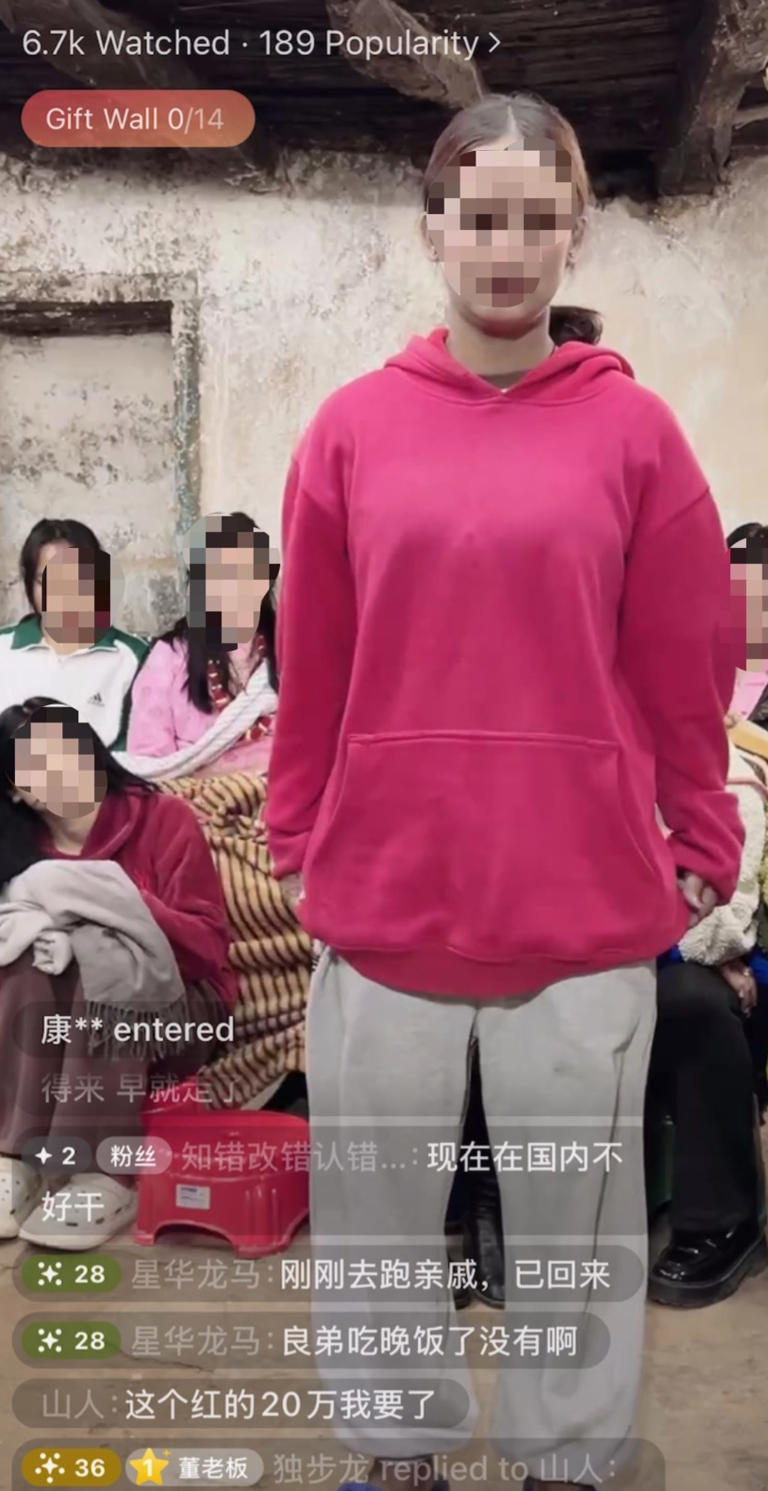
In one live stream, a male moderator using the handle "Younger Brother Lives in Nepal" introduces young Nepali women to his nearly 7,000 viewers. "If you want to marry her and take her home, support our girl first," he says, as viewers comment with bids - one offering 200,000 yuan (US$28,300) for "the one in red".
«Рассматриваются как товары»
Aneka Rajbhandari, co-founder of The Araniko Project in Beijing, said she had seen Chinese social media users treat Nepali women as if they were commodities.
"I have seen men openly inquire about finding partners in Nepal as if it were a market," she said. "No woman, Nepali or otherwise, should ever be objectified or exploited in this way."
Misleading portrayals circulate widely. Posts claim Nepal is a land of polyandry - a rare and illegal practice in which woman have more than one husband - while Bangladesh is depicted as a hub of child marriage and prostitution. Activists warn that such stereotypes portray entire societies as sources of cheap, compliant brides.
"Watching Nepali girls being treated as commodities is deeply distressing," Rajbhandari said.
The Chinese embassy in Bangladesh has publicly denounced the "misguided notion" of "buying a foreign wife", warning citizens in May about a surge of online scams disguised as matchmaking services. But misinformation continues to spread, feeding demand and fuelling online recruitment.
On Chinese social media, influencers and small agencies promote foreign marriages. In one viral Weibo post this month, a Chinese traveller strolling through Kathmandu's Thamel neighbourhood talks of meeting a compatriot live-streaming his search for a Nepali wife "because the income here is very low".
"They say a university graduate only earns around 1,000 yuan," the tourist said. "So there are people who yearn for the life in China."

For activists, such depictions gloss over the power imbalances at play.
"Trafficking rackets and networks target the economically vulnerable," said Mona Sherpa, Nepal country director for the international NGO Care.
She said recruiters increasingly used the language and aesthetics of influencer culture, offering young women with limited digital literacy the promise of easy money or a glamorous foreign marriage.
"These rackets use other girls to influence the girls online," she said. "It supports peer influence and grooming."
За закрытыми дверями
Court records and local media investigations suggest that many cross-border marriages operate through informal networks of brokers, some working with Chinese partners.
Two years ago, a Nepali woman married to a Chinese national was charged with human trafficking after allegedly luring several girls into similar unions. In a separate 2019 case, four Chinese nationals and six Nepalis were arrested for running a bride-trafficking ring, with two of the men detained at Kathmandu airport attempting to leave with their newlywed Nepali wives.
While some marriages are legally registered, many bypass official channels. Women are flown to China on tourist visas, making verification difficult. Nepal Police's Anti-Human Trafficking Bureau has charged 14 people - including four Chinese nationals - with bride trafficking over the past six years. Activists say the true scale is far higher.
Last month, police raided several flats in Kathmandu's Mhepi neighbourhood and found five young Nepali women living with four Chinese nationals. The rooms were filled with cigarette smoke and alcohol. On the men's phones, investigators discovered videos and photos of the women.
"They told us that the videos were to promote Nepali arts and culture," said Teekaram Dhakal, director of Nepal's immigration department. "They acknowledged that they sent the videos to their friends in China, though they didn't explicitly say for what purpose."
The men held business visas but could not justify their activities. The women were reluctant to file formal complaints. Without evidence of coercion, authorities charged the men only with visa misuse and deported them.
Human trafficking in Nepal carries prison terms of up to 20 years and fines of 200,000 rupees (US$1,380). Dhakal said his department had asked the Chinese embassy in Kathmandu to investigate further.
This Week in Asia has contacted the embassy for comment.

Жительница Китая вышла замуж за мужчину, который спас ее 17 лет назад
Тогда молодой человек вытащил ребенка из-под завалов после землетрясения.
Жительница Китая вышла замуж за мужчину, который спас ее из-под завалов, возникших в результате землетрясения более 10 лет назад, сообщает South China Morning Post.
Свадебная церемония состоялась в городе Чанша (провинция Хунань), где 37 пар приняли участие в ежегодной свадьбе в стиле хань. Среди них были Лян Чжибинь и Лю Симэй. Впервые они встретились в 2008 году, после разрушительного Сычуанского землетрясения. Тогда 22-летний Чжибинь был солдатом, которого отправили на помощь в город Вэньчуань для разбора завалов и спасения выживших.
Он обнаружил 10-летнюю Симэй на втором этаже обрушившегося здания. Девочку придавило стальными балками и кирпичами. Команда Чжибинь работала четыре часа, пока наконец смогла ее вытащить и отправить в больницу. После выздоровления семья Симэй переехала в Чжучжоу, и их пути разошлись.
В 2020 году они встретились снова. Тогда 22-летняя девушка ужинала с родителями в ресторане в Чанше. Мать заметила мужчину за соседним столиком и сказала, что он похож на солдата, который когда-то вытащил ее из-под завалов.
Чжучжоу рассказал, что не узнал девушку, потому что она сильно изменилась. В тот же вечер Симэй добавила его контакты и инициировала переписку. Вскоре они привязались друг к другу.
«Она — луч света в моей жизни. Когда мне плохо, ее позитивный настрой поднимает мне настроение и напоминает, что жизнь все еще полна надежды. Тогда спасение людей было моим долгом, но теперь я по-настоящему люблю ее. Судьба поистине удивительна. Двенадцать лет назад я спас ее. Двенадцать лет спустя она стала светом в моей жизни», — сказал Чжучжоу.
Сычуанское землетрясение произошло 12 мая 2008 года. В результате подземных толчков оказалось разрушено около 80% зданий в пострадавшем районе. Многие населенные пункты превратились в руины. По данным китайского правительства, в результате землетрясения погибли почти 90 тыс. человек, в том числе — более 5,3 тыс. детей. Около 375 тыс. человек получили ранения в результате обрушения зданий. Погибли около 200 спасателей.