






|
Пакистан усиливает репрессии против афганских мигрантов после столкновений
|
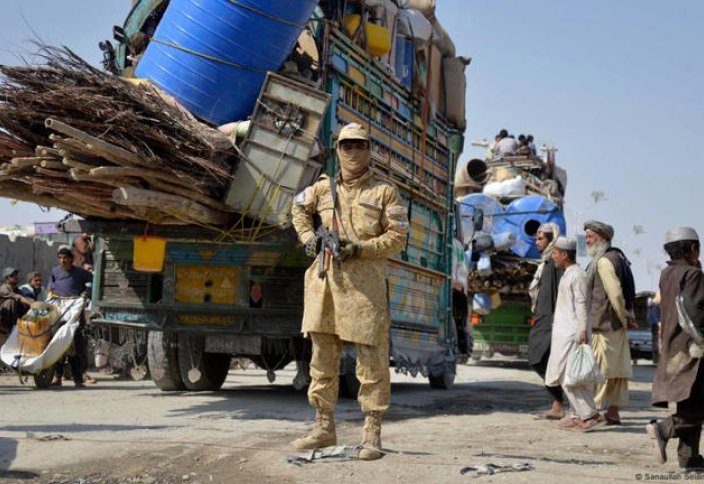
Афганцы, живущие в Пакистане, в том числе за пределами приграничных районов, говорят, что пакистанское правительство усиливает давление, чтобы они покинули страну.
После смертоносных столкновений между талибами в Афганистане и Пакистане в прошлом месяце пакистанские власти активизировали свои усилия по репатриации афганских мигрантов, в том числе усилили полицейские рейды в афганских магазинах и арендованных домах.
Эскалация ощущается далеко за пределами приграничных районов, простираясь вплоть до столицы Исламабада и близлежащего Равалпинди. Арендодатели, опасаясь юридических последствий, выселяют афганских арендаторов или отказываются продлевать аренду, заставляя семьи искать новое жилье.
Афганцы, проживающие в Пакистане, также сталкиваются с серьезными препятствиями при попытке продлить свои визы, что является дорогостоящей, неопределенной и часто сопряженной со значительными задержками.
«Мы скрываемся, и наши семьи разобщены, они не могут оставаться на одном месте из-за страха ареста и насилия со стороны полиции. Наш бизнес остановился, наши дети бросили школу, и у нас нет времени обдумывать наши дальнейшие шаги", - сказал DW гражданин Афганистана, пожелавший остаться анонимным.
«Это место — мой дом»
За последние две недели несколько афганцев, обосновавшихся в Пакистане, сообщили, что полиция проводит обыски в домах в разных частях Исламабада и Равалпинди.
В дополнение к рейдам и бесконечным бюрократическим препонам для тех, кто хочет остаться в Пакистане на законных основаниях, пакистанская полиция начала делать объявления в мечетях, предупреждая, что любой, кто помогает афганским мигрантам, в том числе сдавая им дома или магазины, будет считаться правительством преступником.
Many urban Afghans have been shocked by this change in policy, since they have lived and worked in Pakistan for decades.
"I was born in Pakistan and completed my education here; this place is my home. We have built our lives and careers in this country, and I never imagined that the place that has given me everything would one day force me out. It's truly heartbreaking, and we are shocked that this could happen to us," 32-year-old engineer Abdullah Khan, told DW.
Исламабад рассматривает афганцев как угрозу безопасности в условиях конфликта
The Pakistani government, however, insists that illegal Afghan migrants pose a security risk.
"For decades, we have welcomed Afghans into our country, but now it is essential for those residing here illegally to depart with dignity and respect," Talal Chaudhry, a senior interior ministry official, told DW. Chaudhry added that "some Afghans are linked to militancy and drug-related crimes, and many are aiding these criminal activities."
Afghan activist Aziz Gull, in turn, says migrants are being used for leverage in the conflict between Islamabad and the Taliban.
"Afghans in Pakistan are peaceful people, and they are without a home," he told DW. "Why would they pose a securitiy risk to the host country?"
"Afghans should not be used as pawns in the political tensions between the two governments," he added.
Некуда сходить, кроме парков?
Zahra Mosavi, an Afghan activist in Pakistan who is living in hiding and experienced detention by the Pakistani police, told DW that Pakistani landlords now "may face tax charges and financial fines" for renting homes or business to Afghans.
"After this decision, landlords have begun mistreating Afghan residents, even though they signed one-year leases with months left. Without recovering the security payments, they keep threatening Afghans to leave the premises every day. Some landlords have shut off power and gas supply to Afghan households," Mosavi said.
Mosavi also warned that some families seek sanctuary in parks, with their situation growing ever more dire as temperatures drop.
Sardar Akhter, a landlord in one of Rawalpindi's upscale housing societies, said he had not been aware that the government had a strict policy against accommodating Afghans. At the same time, he had to explain to the police that his tenants had left and that he had canceled their rental agreements.
"The police raided my house, and I assured them that we would not rent it out again. However, they are continuously monitoring our property," he told DW.
Десятилетия приема афганских беженцев
Pakistan has accommodated waves of refugees from neighboring Afghanistan for many decades, including the people fleeing from the Soviet invasion that lasted nearly ten years starting in late 1979.
More Afghan migrants fled the civil war in 1990s, the US-led invasion in 2001, the subsequent years of fighting and the fall of Kabul to the Taliban in 2021.
In recent years, however, Pakistan has been determined to reduce the number of Afghans living on Pakistani soil.
According to the UN refugee agency UNHCR, over 1.5 million Afghans departed from Pakistan either voluntarily or forcibly between the beginning of the campaign in 2023 and mid-October 2025.
The UNHCR also estimates that about three million Afghan nationals still reside in the country, with approximately 1.4 million holding proper documentation.
"UNHCR appreciates Pakistan's generosity in hosting refugees for over 45 years amid its challenges. Pakistan has a proud history of hospitality, and it's important to continue that tradition at this critical time, but we are concerned about the dire situations Afghans are facing in Pakistan," Qaiser Khan Afridi, the UNHCR spokesperson in Pakistan, told DW.
Редактор: Дарко Яневич
Author: Haroon Janjua (in Islamabad)