







|
Первая в мире вакцина от рака лёгких, которая прошла клинические испытания: болезнь убивает 35 000 британцев каждый ГОД
|
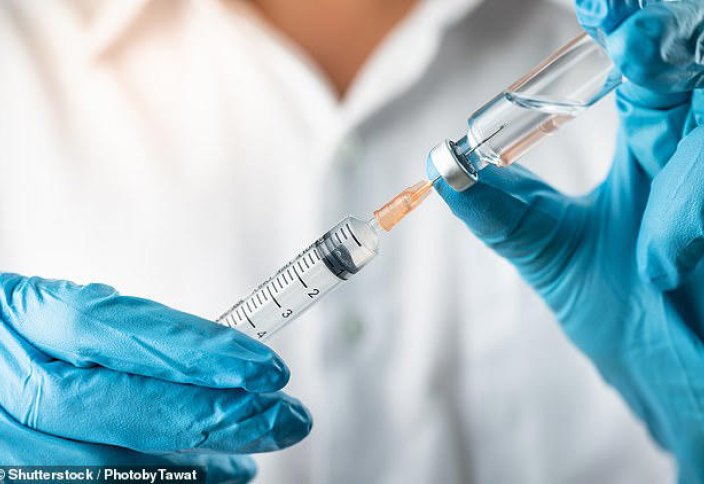
Пациенты с высоким риском потенциально смертельного рака лёгких вскоре смогут получить первую в мире вакцину, предназначенную для профилактики этого заболевания.
Исследователи из Университетского колледжа Лондона и Оксфордского университета будут проводить исследование в течение следующих четырёх лет, а первый этап ожидается летом 2026 года.
Команда, получившая более £2 миллионов от Cancer Research UK, будет исследовать лучшую дозу LungVax для пациентов с высоким риском и выявить возможные побочные эффекты от различных доз вакцины на первой фазе испытания.
Рак лёгких является самым распространённым видом рака в мире и ведущей причиной смертности от рака, ежегодно в Великобритании происходит около 35 000 смертей.
Теперь эксперты надеются, что смогут предотвратить появление некоторых видов рака изначально.
Профессор Мариам Джамал-Ханджани, соучредитель и руководитель исследований, сказала: «Менее 10 процентов людей с раком лёгких переживают свою болезнь 10 лет и более.
«Это должно измениться, и эти изменения придут за счёт борьбы с раком лёгких на самых ранних стадиях.»
Однако она предупредила: «Профилактические вакцины не заменят отказ от курения как лучший способ снизить риск рака лёгких. Но они могут предложить жизнеспособный путь предотвращения появления некоторых видов рака с самого начала.»
Надеются, что вакцина сможет научить организм выявлять белки «красного флага», образующиеся мутациями в их ДНК, и уничтожать их до того, как они станут раковыми.
Вакцина использует мессенджерную РНК, аналогичную вакцинам против Covid-19, разработанным Оксфордским университетом, и работает путём обучения иммунной системы распознавать эти белки — известные как опухолевые антигены — на поверхности аномальных клеток лёгких.
Профессор Сара Блэгден, соучредитель проекта LungVax из Оксфордского университета, добавила: «Рак лёгких смертелен и портит слишком много жизней. Выживание было упрямо плохим десятилетиями.
«LungVax — это наш шанс активно предпринять эту болезнь. Годы исследований биологии рака, понимания фундаментальных изменений, происходящих на самых ранних стадиях болезни, теперь будут испытаны.»
To ascertain how efficient and safe the vaccine is, the trial will start with patients who have previously been diagnosed with early-stage lung cancer, but successfully had it removed.
This means these patients are at high risk of it returning. The vaccine will also be offered to patients who are undergoing lung cancer screening as part of the NHS Lung Cancer Screening Programme in England.
Prof Jamal-Hanjani said: 'The LungVax clinical trial is the crucial first step in bringing this vaccine to people at the highest risk of the disease. We will be looking carefully at how people respond to the vaccine, how easy it is to deliver, and who might benefit from it most in the future.'
If the trial is successful, the team hope the vaccine could then be offered to more people at risk of the devastating disease.
Graeme Dickie, 55, from Scotland, is helping the researchers prepare for the trial, after having been diagnosed with stage two lung cancer in 2013, despite having never smoked.
Since then, he has undergone surgery to remove part of his left lung and more than 80 grueling rounds of chemotherapy. When those treatments stopped working, Mr Dickie began a new targeted treatment for non-small cell lung cancer, mobocertinib, which he has been on ever since.
He said: 'I am proof that research saves lives. I have been able to enjoy many more happy years with my family thanks to scientists working hard, year after year, to bring new tests and treatments.
'For me, research is vital. I won't be able to benefit directly from LungVax personally, but I know that my story will help others to access better interventions at an early stage.'
Michelle Mitchell, chief executive of Cancer Research UK, added: 'We want to see a world where more cancers are prevented. We are now at a stage where our knowledge of the biology of cancer, built over years of painstaking research, opens new opportunities to prevent the disease.
'By supporting the LungVax clinical trial, we will put the vaccine through the most rigorous scientific tests and take that important first step towards a world where people live longer, better lives, free from the fear of lung cancer.'
Currently it is estimated there are around 48,500 cases of lung cancer diagnosed ever yea in the UK—over 70 per cent of which are caused by smoking,
But, the number of lung cancer cases in young people who have never smoked is worryingly on the rise with up to 20 per cent of diagnoses made in individuals who have never smoked.
Another difference is the type of cancer being diagnosed. Lung cancer in never-smokers is almost exclusively adenocarcinoma — a type of lung cancer which starts in mucus-producing cells and forms in the lining of the organs.
Like other forms of the disease, adenocarcinoma is usually diagnosed in its late stages.
While no smoking gun has been confirmed, it is thought that around a third of cases diagnosed each year could be attributed to air pollution.
Cancer experts have warned time and time again against viewing lung cancer as 'an old person's disease' — as it was previously seen.
Young women were also urged not to dismiss a persistent cough — the main symptom of the disease — at this time of year, when colds are rife.
Experts told the Daily Mail one of the reasons for alarm is that many of these cases are among women who have never smoked.
This means it is almost impossible for medics to provide any advice on how younger women can minimise their risk.
Symptoms of the disease include a persistent cough that doesn't go away after three weeks, repeated chest infections, coughing up blood, pain while breathing, persistent breathlessness and fatigue, and unexpected weight loss.
Other, more unusual signs of lung cancer include change in the appearance of your fingers, difficulty or pain swallowing, wheezing, changes in your voice, and swelling of the face or neck.
Anyone with any of these signs is urged to see their GP.

Daily Mail