



|
Почему важно работать с неформальной экономикой, а не против нее: некоторые уроки Зимбабве
|
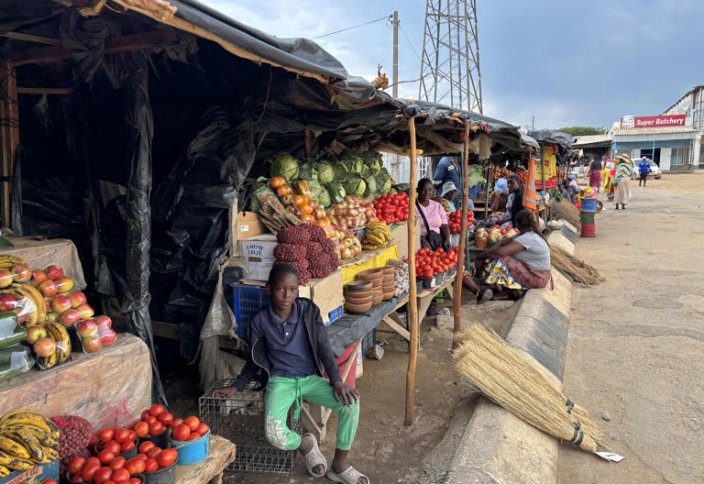
Национальное статистическое агентство Зимбабве ZimStat недавно сообщило, что 76% национальной экономики является неформальной. Это никого не должно удивлять, но что с этим делать – большой вопрос, беспокоящий политиков. Мы знаем причины: отсутствие инвестиций в основную экономику, отсутствие внешнего финансирования, горы унаследованного регулирования и плохое экономическое управление. Но является ли решением попытка обложить налогом и запретить неформальную экономику или работать с ней, избегая ненужных искажений и сдерживающих факторов?
Многие из тех, кто условно относится к формальному сектору, конечно, также участвуют в неформальной экономике. Спросите любого учителя, медицинского работника или государственного служащего, и все они будут заниматься другой работой, зарабатывая деньги, когда их зарплата недостаточна. Границы между формальным и неформальным в наши дни очень размыты, а это означает, что серьезное отношение к неформальной экономике – которая, в конце концов, является экономикой большинства – должно быть важным.
И, конечно, как отмечают многие комментаторы, неформальное не является «плохим». В конце концов, почти все сельское хозяйство, которое поддерживает жизнь нации, является «неформальным» в этом смысле. Одержимость определенным типом модернистской формальности как олицетворением «развития» проистекает из колониальной политики, а также из множества правил, систем лицензирования и так далее. Стремление к контролю и управлению в соответствии с определенным видением прогресса является сильным, несмотря на давнюю и важную традицию в мышлении о развитии, которая обусловливает необходимость так называемого «неформального сектора» в растущих экономиках, о чем говорилось в предыдущем блоге.
Тупые инструменты
Тем не менее, политики продолжают разглагольствовать о неформальном секторе, несмотря на то, что он обеспечивает очень значительную долю ВВП и многие, многие средства к существованию как в городах, так и в сельской местности. Со всех политических сторон неформальное осуждается и считается негигиеничным, неприглядным, небезопасным, и, что особенно важно, не вносит вклад в национальную бюджетность через налогообложение. Было предпринято много попыток обложить налогом неформальную занятость, в том числе так называемый «предполагаемый налог» или налог в размере 2%, применяемый ко всем денежным переводам. К большому возмущению, в последнее время все транспортные операторы были повышены предполагаемые налоги, что в очередной раз увеличило расходы. Это тупые и вызывающие неприязнь инструменты. И они не работают; На самом деле, наоборот, так как они подрывают неформальную деятельность и побуждают людей максимально уклоняться от налогов.
Попытки объявить неформальный сектор вне закона, как это недавно произошло с драматическим вмешательством министра местного самоуправления, обречены на провал. В марте он объявил, что вся уличная торговля будет запрещена, а совсем недавно, в августе, он добавил к этому, сделав ночную торговлю одеждой незаконной. Это напоминает о колониальных интервенциях, которые не позволяли африканцам торговать в центральных районах города, которые были зарезервированы для белых. Тем не менее, большинство граждан полагаются на эти варианты торговли для дешевых и надежных поставок важных товаров, особенно когда экономика находится в таком депрессивном состоянии, а заработная плата столь минимальна.
Последствия для сельских районов
Although mostly focused on the metropolitan urban areas these measures have impacts on the rural hinterlands too. The huge trade in agricultural products flowing from the land reform areas go to these markets in both large and small towns. Traders from rural areas are central to the activity in the many informal markets, such as the kuTrain market in Masvingo. Rural people invest in and deploy labour to enterprises in towns, investing their surplus income from farming in new enterprises, whether small shops, hair salons or hardware stores as our studies of small towns have shown.
Upsetting local (frequently informal) economic development, now thriving thanks to land reform, through poorly thought-out interventions can have major knock-on effects on the growth and linkage potentials of land reform areas too, as well as the direct negative impacts on those informal traders and service providers. A recent positive development has been the reduction of taxes, levies and fees in the agricultural sector, focusing initially on livestock, dairy and stockfeed, but trailed as part of a revision and rationalisation of taxes across all sectors to improve the ‘ease of doing business’ across the economy. This is certainly welcome and long overdue.
Варианты налогообложения
An excellent new study has been published through the International Centre for Tax and Development (ICTD) (briefing here), which is based at my home base, the Institute of Development Studies at the University of Sussex in the UK. The two Zimbabwean authors highlight the dilemmas of taxing informal economic systems, a theme that the Centre has been exploring especially in Africa in a number of interesting publications (see, for example, here and here, amongst many).
The bottom line is that generic, unfocused tax instruments (like the ones favoured by the Zimbabwean government) are inappropriate and simpler, more targeted approaches are required that don’t cause disincentives to economic activity and encourage a gradual shift to more formal forms. This is the same advice offered by the World Bank in a report covered on this blog before.
The ICTD report uses a survey of 2490 informants, covering a whole array of informal suppliers of goods and services, in two cities – Harare and Masvingo. They show that most of these informal sector players have incomes below the poverty line. Most would not be normally subject to income-based taxation, therefore, and it is only the top 20% of the sample who might be eligible, although in practice only 6% pay mostly the ‘presumptive tax’ applied to informal operators.
But in fact all informal players are heavily taxed, whether through licensing, tolls, fees and permits (see the report’s table 5.4). And in particular, a large proportion of outgoings are through bribes to local government, police and other officials so as to avoid other forms of tax. This is a grossly inefficient system and although the bribes go to support underpaid officials, this is a huge loss to the tax system and a poor form of redistribution.
The survey shows too that women suffer a particularly large burden of this array of taxes and bribes because of the sort of activities they do, including trading involving moving so being vulnerable to being stopped and charged. And yet women are largely in the lower income brackets so suffer a high burden comparatively.
The report also shows that it depends on the city what types of taxes/bribes are charged, with Harare showing a far higher level than Masvingo. The report authors argue that it is essential to have a decentralised taxation system, appropriate to the locality and types of businesses, and have this targeted so that there are fewer gender and other inequities. The massive loss of revenue through bribes of course can only be reversed when such officials are paid living wages but will reduce if the opportunities for taking bribes are not available through so many layers of regulation and licensing.
Поддержка неформальной занятости с помощью соответствующей политики
What is clear – as many others have pointed out – is that the top-down implementation of taxes, bans on informal activity and police harassment that results is massively counter-productive. Wishing the informal economy away with dreams of a modern, formal system is simply pie-in-the-sky. The finance minister, Mthuli Ncube, appears to have realised the burdens of regulation and taxation only when his wife tried to set up a restaurant and had to navigate so many licenses and associated charges. The mooted economy-wide changes to encourage business will hopefully get rid of inappropriate polices and clumsy interventions that have for so long undermined the very economy the finance ministry is trying to manage, which after all is predominantly informal. A look at the ICTD report by ministry officials might offer some clues to a different path ahead.
Этот пост был написан Яном Скунсом и впервые опубликован на Zimbabweland