



|
Потерянные миллиарды Африки: как незаконные денежные потоки душат экономический рост
|
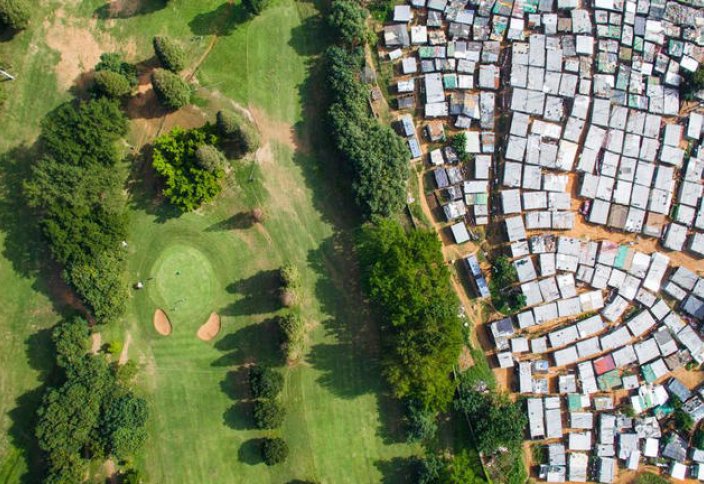
Африканский союз предупредил, что континент теряет миллиарды долларов в виде незаконных финансовых потоков. Прекращение уклонения от уплаты налогов и коррупции – это лишь первый шаг к сохранению африканского богатства на континенте.
По оценкам Африканского союза (АС), ежегодно из Африки уходит около 88 миллиардов долларов США (76 миллиардов евро) из-за уклонения от уплаты налогов, отмывания денег и коррупции. в 2015 году эта цифра составила 50 миллиардов долларов США (43 миллиарда евро). Аналитики говорят, что это лишает правительства доходов, которые могли бы быть инвестированы в государственные услуги, такие как здравоохранение, образование и инфраструктура.
Элиты переводят деньги в налоговые гавани
Кристоф Траутфеттер, координатор немецкой организации Network for Tax Justice, сказал DW, что Африка теряет миллиарды из-за того, что «цифровые корпорации и торговцы сырьевыми товарами переводят свои прибыли в налоговые гавани, а коррумпированные элиты прячут деньги на анонимных офшорных счетах».
«Прямой ущерб еще больше, потому что эта система способствует коррупции и преступности и ослабляет государства, которые должны обеспечивать развитие», — сказал Траутфеттер, добавив, что «богатые и влиятельные как в Африке, так и на глобальном Севере в конечном итоге выигрывают от этой системы».
«Существует огромное сопротивление обеспечению большей прозрачности и лучшего сотрудничества, а также его коренному реформированию», - сказал эксперт по налогообложению.
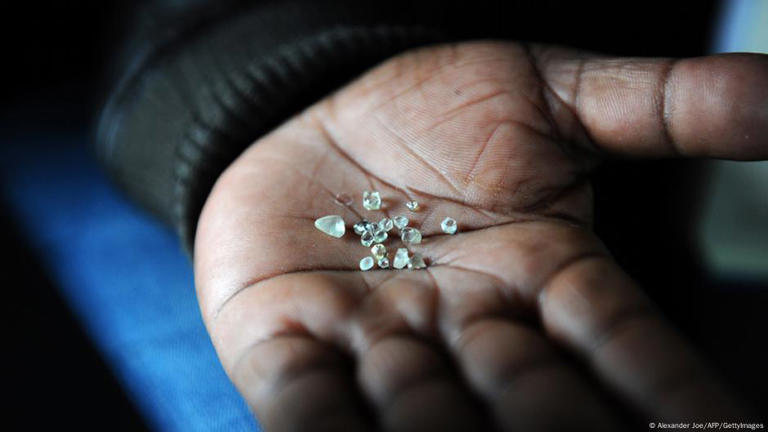
While he believes too little is being done to curb these losses, there has also been progress: most notably, more than 100 countries agreed in 2017 to automatically exchange information about bank account owners.
"This means that banks in many tax havens now automatically report information about account owners to the tax authorities in their home countries," said Trautvetter.
Больше прозрачности в управлении данными
Many African countries are still implementing the agreement, so data for evaluation is still missing.
"But this will definitely lead to significant improvements in the coming years," Trautvetter says.
Another positive step has been a United Nations' global framework agreement. Implemented in August, it intends to clarify issues ranging from "global tax justice and the taxation of large digital corporations, to the detection of illegitimate financial flows."
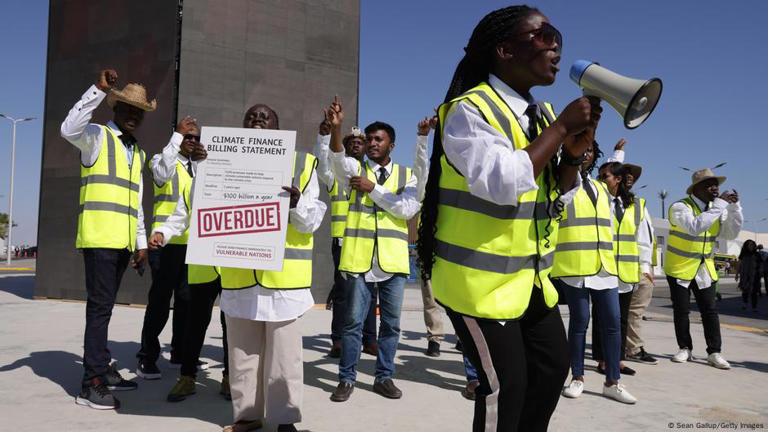
Despite some successes, the AU report notes the global geopolitical changes over the past ten years have made Africa even more vulnerable. Important factors include the rivalry between the United States and China, the COVID-19 pandemic, the war between Russia and Ukraine, and the geopolitical consequences of climate change. Additionally, some African nations have enormous levels of government debt.
The AU has created several instruments to combat illegal transactions. In addition to a pan-African cooperation platform, several working groups have been set up to recover stolen assets abroad, and control economic sectors such as mining, which are particularly vulnerable to undeclared exports.
At the national level, many African countries have established financial investigation units or specialized tax authorities. But the AU's findings show these institutions have not been efficient.
Незаконное финансовое истощение Африки
Idriss Linge from Cameroon is Advocacy Officer for the Tax Justice Network (TJN) based in Bristol, the United Kingdom. He acknowledges tax losses have hit Africa particularly hard: "Illegal financial flows exist worldwide, but Africa is the most affected because budgets are already stretched," he tells DW.
"Multinationals exploit extractive industries, tax havens enable them to underpay tax, and lack of transparency hides it all. Illegal financial flows are like a life-threatening condition, draining Africa's blood," says the tax justice analyst.
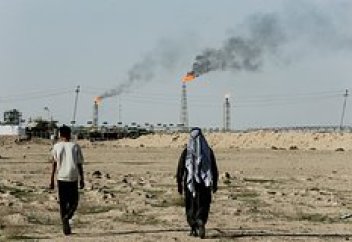
Resource-rich countries like Nigeria, Angola, and the Democratic Republic of Congo are most exposed, according to Linge. In Nigeria alone, billions have been lost through profit shifting in the oil sector.
"That money could provide clean water for 500,000 people, sanitation to 800,000, schooling for 150,000, and could save over 4,000 children through better healthcare. Illegal financial flows are not abstract – they deny people their rights," he told DW.
Although the AU estimates Africa's financial loss from illegal financial activities at around $88 billion, Linge says this is most likely a severe underestimation.
"At the same time, Africa is forced to service debts at high interest rates," Linge says, pointing to the fact that African countries have to accept higher interest rates on the capital market than rich economies elsewhere.
Deprived of revenue due to tax evasion and burdened by high debt repayments, many African countries find their budgetary and fiscal policies severely restricted. This hampers efforts to pay teachers and doctors, build climate resilience, or finance development.
Stemming illegal financial flows would also be a first step toward greater sovereignty for governments.
Под редакцией Цай Небе
Author: Martina Schwikowski