







|
Потолкнёт ли новая система глобального гражданства Индонезии к возвращению диаспоры?
|
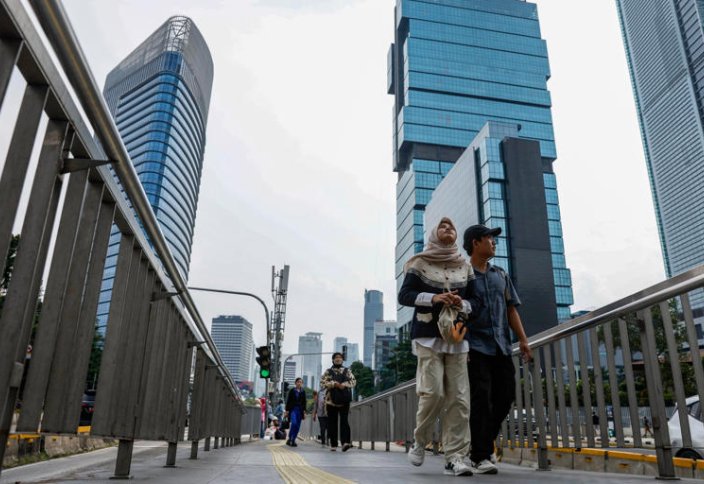
По мнению наблюдателей, программа может привлечь таланты с зарубежным опытом работы и укрепить деловое сотрудничество с местными жителями
Индонезия представила долгожданную программу постоянного проживания, направленную на укрепление связей с диаспорой и привлечение мировых талантов, но аналитики предупреждают, что сохраняющиеся ограничения всё ещё могут отпугнуть тех самых людей, которых Джакарта надеется вернуть домой.
Программа «Глобальное гражданство Индонезии» (GCI), объявленная 19 ноября, широко рассматривается наблюдателями как попытка Джакарты разрешить многолетнюю дилемму с двойным гражданством — вариант, который правительство неоднократно рассматривало, но в конечном итоге отложило из-за юридических и политических вопросов.
Министр иммиграции и исправительных учреждений Агус Андрианто представил новую политику как «решение проблемы двойного гражданства».
Есть ли у вас вопросы по самым крупным темам и тенденциям со всего мира? Получите ответы с помощью SCMP Knowledge — нашей новой платформы подобранного контента с объяснениями, часто задаваемыми вопросами, анализами и инфографикой, которую предлагает наша отмеченная наградами команда.
«GCI — это решение, которое решает спор вокруг двойного гражданства путём предоставления широких прав на проживание иностранным гражданам, имеющим тесные связи с Индонезией, без изменения статуса иностранного гражданства и без нарушения государственных нормативных актов», — сказал он в заявлении.
По словам Агуса, GCI создан по образцу схемы зарубежного гражданства Индии (OCI), запущенной в 2006 году и предоставляющей постоянное проживание лицам индийского происхождения и их супругам, позволяя им работать и жить в Индии бесконечно.
По данным Министерства внутренних дел, Индия выпустила более 5 миллионов карт OCI по состоянию на май.
К лицу, имеющим право на GCI, относятся бывшие граждане Индонезии; второе поколение потомков бывших граждан Индонезии; законные супруги нынешних и бывших граждан Индонезии, а также дети, рожденные в законном браке между индонезийцем и иностранцем.
Разрешение не распространяется на граждан страны, которая когда-то была частью Индонезии; иностранцы, вовлечённые в сепаратистскую деятельность, или те, кто имеет опыт в государственной службе, разведывательных службах или армии.
«Индонезийская иммиграция всегда будет реагировать на глобальные потребности и вызовы. GCI — явное доказательство того, что наша иммиграционная политика не только служит, но и постоянно меняется, чтобы идти в ногу со временем», — сказал Агус.
The new residency policy came after the country issued a Golden Visa scheme last year targeted at wealthy individuals and diaspora willing to pay at least US$350,000 for a five-year stay, or US$700,000 for the 10-year one.
As of September, the Golden Visa programme has been issued to 1,012 foreign citizens, bringing in more than 48 trillion rupiah (US$2.8 billion) in investment, most of which is paid by foreign companies, according to the Ministry of Immigration and Corrections.

Смешанные отклики
The introduction of GCI has drawn praise from parts of the political establishment, particularly those who have long urged Jakarta to make it easier for diaspora communities to return and contribute to local economies.
"In West Sumatra, there are Minang descendants living in neighbouring countries who still have family ties in their villages. GCI will make it easier for them to stay connected while providing administrative certainty," lawmaker Muhammad Shadiq Pasadigoe, who represents West Sumatra, said in a statement on November 20.
For economist Bhima Yudhistira, the GCI scheme could attract global talent and help boost the country's exports.
"GCI could attract talent with work experience abroad, especially to work in fields that need them, such as critical minerals, the digital economy, or the agriculture and fisheries sectors. This could also help fill the talent gap within the country," Bhima, executive director at the Centre of Economic and Law Studies, told This Week in Asia.
"The foreign talent or diaspora could also help us in boosting our exports, by seeking investors, and even for market intelligence, for example to determine what Indonesia can supply to countries where they live."
Mohammad Faisal, executive director of the Centre of Reform on Economics (Core), said the permanent residency scheme could facilitate business collaboration between foreigners and Indonesians.
"They don't have to work in Indonesia. They can work remotely. Either way, they will spend or consume goods here, which also contributes to the economy," Mohammad said.
Members of the Indonesian diaspora like Enggi Holt are more sceptical about whether the new policy can attract an influx of foreign nationals or descendants of the Indonesian diaspora to the country.
"This effort deserves appreciation, but we need to look at the fine print, so let's not get too excited. Permanent residence in the UK, for example, allows for civil rights, except voting. For example, I can work and buy a house. Will that be the case in Indonesia?" said Enggi, who has been living in Britain for 17 years.
"This policy should be in conjunction with other laws, namely land ownership law, taxation law, employment law, education law, and others. Foreigners do not want to arrive in Indonesia and be unable to do anything. That would be a shame."

In Indonesia, foreigners are not permitted to own land or do business without a proper visa.
Enggi cites the example of her son, a British citizen and digital nomad, who has found it difficult to secure the right visa to live and work in Indonesia as he is not sponsored by any company.
"[The government] first needs to create a positive environment that is so attractive that the Indonesian diaspora can't resist," she said.
To increase its attractiveness among foreign talent and highly skilled diaspora, Mohammad of Core said Jakarta should improve government efficiency.
Indonesia fell 13 places to 40th spot in this year's World Competitiveness Ranking compiled by the International Institute for Management Development, with red tape cited as the top hurdle for investors to start a business in the country.