



|
В тени талибов: почему Германия не смогла помочь всем местным работникам
|

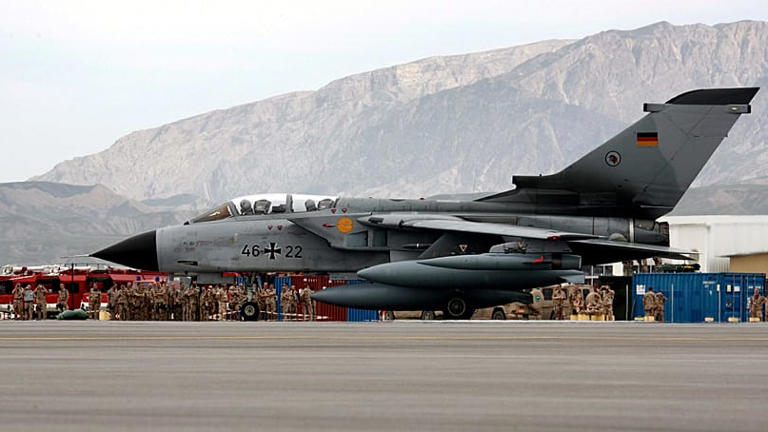
В течение пяти лет Халима* работала в Афганистане в ВВС Германии в секторе безопасности. Теперь она опасается за свою жизнь.
Во время ее работы в воздушном отделении Бундесвера ее личные данные и биометрические данные лица собирались и хранились. В 2012 году проблемы со здоровьем вынудили ее уйти с должности. Затем вернулись талибы, а вместе с ними и террор.
Из-за своей предыдущей работы с правительством Германии она стала мишенью для радикальной исламистской группировки боевиков.
Забытые местные наемники
Еще в 2013 году правительство Германии пообещало Halima поддержку. Ей дали адрес электронной почты в Министерстве иностранных дел, с которым она несколько раз пыталась связаться после вывода войск, но безуспешно.
Для Халимы, которой сейчас 63 года, тишина была разрушительной: несмотря на годы службы, она не получала никакой помощи от Германии. Вместо этого она живет в постоянном страхе за свою жизнь и чувствует себя брошенной, беспомощной.
По данным Министерства иностранных дел, за последние годы правительство Германии позволило более чем 33 000 особо уязвимых афганцев въехать в Германию по различным программам приема. Кроме того, поставщик государственных услуг находится в контакте со всеми пострадавшими лицами в Афганистане.
«При необходимости и запросе предоставляется проживание, питание и необходимая медицинская помощь. Поставщик услуг правительства прилагает все усилия для обеспечения безопасности заинтересованных лиц», — говорится в заявлении.
Остается неясным, включены ли в программу местные сотрудники, которые перестали работать на правительство до 2021 года.
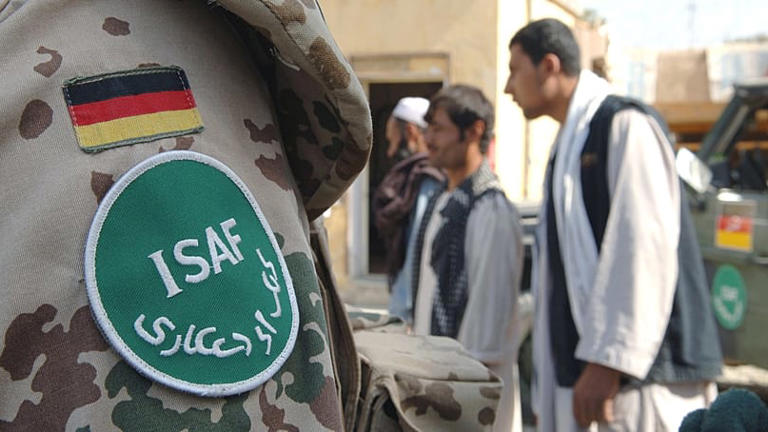
Halima still feels both shocked and outraged. Her work with the Air Force, combined with her gender, has made her a target for the Taliban. Without any outside support, she cannot leave the country, as women are not allowed to go out or travel without a male companion.
"I see no hope for life, especially for women. We are completely isolated," Halima told Euronews. For years, she believed in and fought for a just Afghanistan – now she is paying the price with her safety.
Her daughters' lives have also been turned upside down since the US troop withdrawal. Amira (45), Mariam (43) and Yasmin (28)* have all completed higher education – in any other circumstances, the world would be open to them. But under Taliban rule, they cannot pursue their careers. Freedom is a word that no longer applies to them either.
"One of my daughters held a good position at the Appeals Court, another worked in the Ministry of Finance, and the third has just finished her engineering degree," Halima explained.
Because of their past employments, Amira and Mariam are under Taliban surveillance. Whenever they leave the house, they risk having their phones searched by fighters.
Now, the lives of the four women are confined entirely to their home – trapped within their own four walls.
At the end of 2024, the European Court of Justice ruled that women from Afghanistan are at risk of persecution solely because of their gender and are therefore entitled to protection.
Afghan women do not need to prove any additional reasons for fleeing.
Women like Halima and her daughters are thus eligible for protection. However, to access it, they would need to travel to Germany – something that is impossible under Taliban rule.
Изоляция, насилие и отсутствие будущего
Since the radical Islamist Taliban — who also refer to themselves as the Islamic Emirate of Afghanistan — seized power in August 2021, women and girls in Afghanistan have been systematically shut out of almost all areas of public life.
Girls are banned from school after the sixth grade, and excluded from universities and courses such as medicine or midwifery. Only a small number have access to education through informal or online programmes.

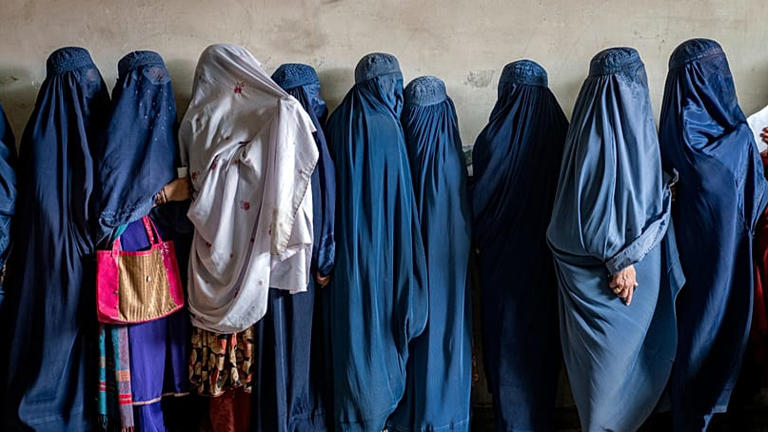
Public spaces, such as parks or sports clubs, are reserved for men. Women are only allowed to leave the house when accompanied by a male relative – even if they need medical care. At the same time, they are only permitted to be treated by female medical staff. But with so few women still working, many patients go without care.
The mental strain of isolation, fear, and a lack of prospects has sparked a severe mental health crisis among Afghan women. Since the Taliban returned to power in August 2021, reports suggest that suicide attempts and suicides, particularly among young people, have risen dramatically.
The Taliban, however, provide no official figures. Media reports, including from the investigative Afghan exile newspaper Etilaat Roz, documented at least 213 suicides between April 2022 and April 2023.
The following year, the Taliban-controlled Ministry of Interior reported 360 cases, indicating a further increase. Euronews could not independently verify the numbers.
Additionally, there are reports that femicides are on the rise.
At the end of 2024, the European Court of Justice ruled that women in Afghanistan face persecution solely because of their gender and are therefore entitled to protection. Afghan women are hence not required to provide any additional grounds for asylum.
*Имена афганских женщин, упомянутые в статье, были изменены по соображениям безопасности.