





|
Зимбабве: Надвигающийся кризис — 14 000 работников пропали без вести в системе общественного здравоохранения
|

Власти Зимбабве прибегают к жёстким мерам, чтобы сохранить свою систему здравоохранения на плаву, а медицинские работники остаются в стране. Но многие по-прежнему надеются найти лучшие возможности за рубежом.
Последние четыре года зимбабвийская медсестра Сетфри Мафукидзе называет Северную Ирландию своим новым домом.
Он является частью растущей волны медицинских специалистов, которые покидают Зимбабве в поисках лучших карьерных возможностей, безопасных условий труда и лучшей оплаты труда в Великобритании и за её пределами.
«Я любил свою работу дома, но условия не позволяли продолжать работу», — сказал Мафукидзе DW.
«Доходишь до точки, когда чувствуешь, что отдаёшь всё, а ничего не получаешь взамен.»
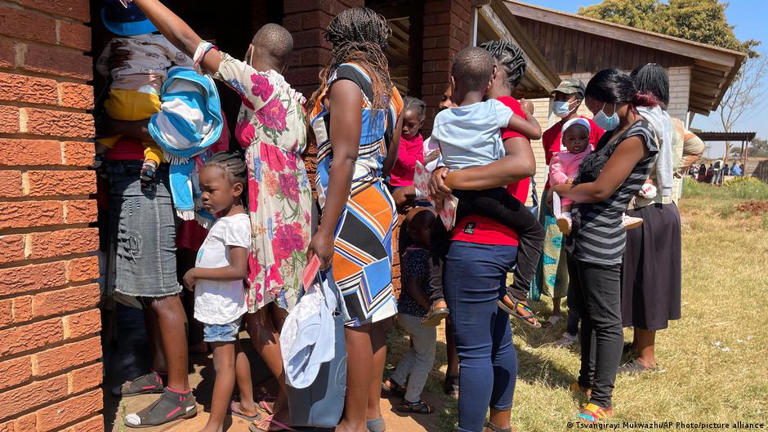
Низкие зарплаты и плохие условия труда, по-видимому, являются главными движущими силами этого исхода. Зимбабвийские медсёстры зарабатывают около 250 долларов в месяц, а врачи в среднем — примерно вдвое больше; Забастовки и протесты в прошлом мало что улучшили общую ситуацию.
Для сравнения, медсёстры в Великобритании могут зарабатывать максимум $4,000 в месяц, что позволяет им не только повысить уровень жизни в новых странах, но и отправлять деньги домой на поддержку семьи.
Тысячи квалифицированных медсестёр сталкиваются с выгоранием
До переезда Мафукидзе работала старшей медсестрой в сельской клинике в Чивху, примерно в 140 километрах к югу от столицы, Хараре.
Учреждение, обслуживающее район с населением около 10 000 человек, имело всего две медсестры — ситуация, которая становится всё более распространённой в системе общественного здравоохранения Зимбабве.
Сокращающееся число медсестёр, которые всё ещё остаются в недоукомплектованных больницах и клиниках Зимбабве, вынуждены компенсировать этот дефицит.
«Много выгорания. В некоторых клиниках одна или две медсестры, обслуживающие район в 8 000 человек», — говорит Энок Донго, президент Ассоциации медсестёр Зимбабве, отмечая, что хотя «соотношение медсестер и пациентов должно быть от одного к пяти или семи, оно выросло до одного до 20».
According to the country's Health Ministry, Zimbabwe is facing a shortfall of at least 14,000 health-care workers in a deficit, which officials warn is crippling basic service delivery and pushing the sector to the brink, especially as communicable diseases like cholera and measles continue to be rife across much of the region.
Сейчас за границей больше зимбабвийских медсестёр, чем в стране
All these factors combined mean that more and more trained healthcare professionals are heading to countries like the UK, Australia, Ireland and New Zealand, while others move within the region, heading to Botswana, Namibia and South Africa, though they might not always be welcomed with open arms amid a rising trend of xenophbia.
There are now an estimated 16,000 Zimbabwean nurses now abroad, with the highest numbers found in Australia and, especially, in the UK.
Following Brexit and the effects of the COVID-19 pandemic, the UK had eased certain recruitment rules for foreign health and social-care workers, creating new entry pathways amid a shortfall in Britain.
In 2019, the National Health Service said it had employed over 4,000 Zimbabwean health professionals, making an increase of 169% compared previous years.
Красный список ВОЗ недостаточно в долгосрочной перспективе
As a result of these developments, Zimbabwe has now been placed on the World Health Organisation's (WHO) Health Workforce Support and Safeguards List — a red list, which includes 55 countries which face significant challenges in their health workforce.
Some countries, such as the UK, have in response stopped actively recruiting healthcare workers from Zimbabwe — although this measure has so far had limited impact on the ground
"Putting Zimbabwe on the WHO red list is not working. Nurses are finding other avenues," Dongo told DW. "Some go [abroad] as nurse assistants, and still earn more than a qualified nurse here."
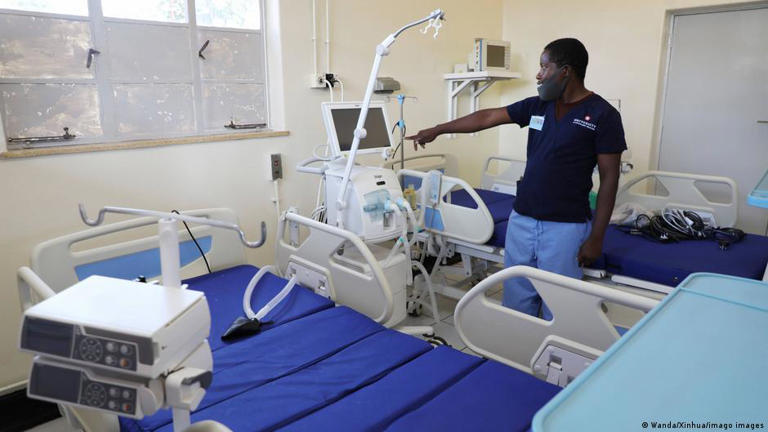
Зимбабве фактически запрещает молодым медсестрам покидать
In an attempt to stop public sector healthcare professionals from leaving, Zimbabwe has now \resorted to withholding the issuance of verification letters, which are required by thousands of nurses and doctors to secure jobs abroad — despite paying fees of about $300 for having these documents issued.
Warren George, as 31-year-old nurse, has been trying to emigrate along with his wife since 2023, but their paperwork has been withheld.
"We have almost given up because of the verification issue," George told DW. "Given the chance, I would leave. Talking to colleagues abroad who found decent opportunities motivates you, but I can't go without papers."
Then the government even went a step further: Under new regulations, Zimbabwean nurses must now be bonded for 20 years to the healthcare system before they can be released for work abroad — a move which has heavily been criticized by unions.
«Мы хотим вернуть свои навыки домой»
Despite the exodus, many Zimbabwean professionals abroad also say they would be willing to return home if the conditions were to improve — like Mafukidze.
"The idea isn't to stay permanently abroad," he explained. "The idea is to learn, grow and take it back home."
Health Minister Douglas Mombeshora meanwhile says the government is working to rebuild the sector.
"We will build a resilient, equitable and high-performing health system where quality care is a right, not a privilege," he said, adding that domestic funding must also increase.
To this end, a National Health Insurance Bill is being prepared in Zimbabwe to expand equitable access for all and improve financing for health care — in addition to a divisive government PR campaign being launched that tries to minimize the public perception on the state of affairs in Zimbabwe're hospitals and clinics.
But for the time being, the few nurses that remain in the country will have to continue to bear the burden.
Редактор: Сертан Сандерсон
Author: Privilege Musvanhiri