

|
Работы на афганском медном руднике, поддерживаемом Китаем, набирают обороты после 17 лет, но давние опасения сохраняются
|
Правители «Талибана» ценят «демонстративный эффект» проекта, но пока не выполнили обещания в области безопасности или управления, говорит наблюдатель в Китае
Поддерживаемый Китаем медный рудник в Афганистане готов начать строительство после почти двух десятилетий задержки, но политическая нестабильность и проблемы безопасности остаются серьезной проблемой, предупредил эксперт по афганским исследованиям.
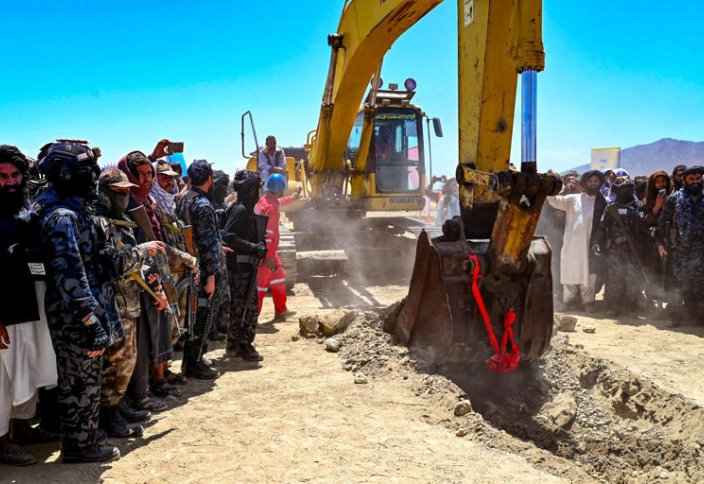
Государственная корпорация China Metallurgical Group Corporation (MCC) недавно объявила о значительном прогрессе в начале добычи меди в этом году на руднике Мес Айнак в провинции Логар в центральном Афганистане, где находится одно из крупнейших в мире нетронутых месторождений меди.
По данным афганского издания Tolo News, представитель MCC Дэн Гопин заявил, что компания готова начать производство в этом году, «если последующие процедуры с правительством пройдут гладко».
У вас есть вопросы о самых актуальных темах и тенденциях со всего мира? Получите ответы на эти вопросы с помощью SCMP Knowledge, нашей новой платформы тщательно подобранного контента с объяснениями, часто задаваемыми вопросами, анализами и инфографикой, предоставленной нашей отмеченной наградами командой.
Это происходит в то время, когда строительство дороги, ведущей к руднику, близится к завершению, спустя 17 лет после подписания контракта по проекту.
Проект Мес Айнак был заключен с MCC по 30-летнему контракту в 2008 году, но был отложен из-за проблем с безопасностью, наличия археологических находок, относящихся к бронзовому веку, и наземных мин от десятилетий войны, а также отсутствия инфраструктуры.
В прошлом году талибы объявили о переходе от открытой добычи полезных ископаемых в Мес-Айнаке к подземной добыче полезных ископаемых, более дорогостоящему процессу, который считается более безопасным для археологических памятников. Официальные лица также подчеркнули, что шахта будет работать так, чтобы избежать повреждения реликвий, сообщает The Art Newspaper.
Чжу Юнбяо, директор Центра исследований Афганистана в Университете Ланьчжоу в Китае, сказал, что этот проект имеет существенное значение для правящего режима «Талибана».
После хаотичного вывода американских войск в августе 2021 года талибы вернули себе контроль над Афганистаном и с тех пор отдают приоритет иностранным инвестициям и крупномасштабным инфраструктурным проектам для повышения экономической самодостаточности.
"Both Afghan administrations particularly care about the demonstrative effect of such projects," Zhu said, referring to the Taliban and the previous US-backed government.
"They hope that major engineering ventures like this will stimulate additional foreign investment, including in mining cooperation and other large infrastructure projects."
For China, however, the project holds limited economic or geopolitical significance, according to Zhu.
The MCC decision to start the mine construction itself was a result of "a comprehensive weighing of pros and cons", as it was also facing other pressures from the Taliban, including demands related to contract fulfilment, Zhu said.
According to Deng, MCC "has already invested more than US$430 million, but [not had] any income".
Also, the total cost of the project has risen from US$2.8 billion to US$5 billion due to the changes in extraction technologies and methods.
Copper is a strategically vital resource, essential for manufacturing electric vehicle batteries and military equipment. Demand is expected to surge by more than 40 per cent by 2040 but supply is not keeping pace, according to the UN trade body Unctad.
The Mes Aynak deposit holds 705 million tonnes of ore, potentially yielding more than 11 million tonnes of metallic copper, according to the Belt and Road Portal, the official website for China's Belt and Road Initiative.
As the world's top copper consumer, China imports 60 per cent of the world's supply of copper ore and produces more than 45 per cent of the world's refined copper. It has therefore been strategically positioning itself to secure supplies, especially from Africa, where it faces intense rivalry with the West.
Still, the Mes Aynak project faced many risks aside from lacking critical infrastructure, Zhu cautioned, one being the Taliban government's political unreliability.
"Their track record has demonstrated ... that their business credibility and political reliability are highly questionable," he said.
In June, the Taliban administration terminated a landmark oil extraction and development contract with a Chinese company due to alleged repeated violations of contractual terms. The 25-year contract was signed in 2023 with a pledged investment of US$150 million in the first year and a projected US$540 million over three years.
"The Taliban could very well take similar actions against other comparable projects," Zhu warned.
Moreover, major cooperative projects like Mes Aynak could face Western sanctions or sanction escalations at any moment, complicating the situation for the companies involved, he noted.
Most Western countries do not recognise the Taliban administration, and maintain sanctions and diplomatic isolation. While China has not formally recognised the Taliban either, it has made careful inroads.
The Chinese mission was among the few that remained in Kabul after the US-backed government collapsed and in 2023, China became the first country to name a new ambassador to Afghanistan. Later that year, Bilal Karimi, a former Taliban spokesman, was appointed as an official ambassador to China.
High-level Taliban officials have since visited Beijing, most recently acting foreign minister Amir Khan Muttaqi in May. During their meeting, Chinese Foreign Minister Wang Yi assured Afghanistan of China's support in advancing key cooperation projects as well as its reconstruction and development.
The meeting took place on the sidelines of an informal trilateral dialogue including Pakistan, where Wang called on the three neighbours to work together for regional peace.

Last month, when Russia became the first country to formally recognise the Taliban government, China welcomed the move and reaffirmed its commitment to engaging with Afghanistan.
Beijing's growing economic engagement with Kabul is highlighted by an agreement in March to form a joint group to expand trade ties, including boosting Afghan exports to China of pine nuts, pomegranates, precious stones and minerals.
But Zhu of Lanzhou University said there was not "much more room for further expansion" in cooperation. He cited the unresolved security challenges and the Taliban's failure to fulfil international commitments, such as on counterterrorism and human rights.
"The Taliban have not made any substantial efforts on China's core concerns - namely the issues related to the East Turkestan Islamic Movement and religious extremism," he said, referring to the UN-listed terrorist group that China has blamed for a number of attacks in Xinjiang and other part of the country.
He added that Beijing hoped the Taliban would fulfil its commitment in two key areas: inclusive governance, including the protection of women's rights, and counterterrorism.
"China will actively encourage Afghanistan to maintain friendly communication with all its neighbours, including Pakistan, to ensure regional stability. This general policy direction is unlikely to change - regardless of who is in power."
More Articles from SCMP